1 The door sign
Ninety seconds to become the doctor in the brief.
Outside the cubicle you get a task, a role and a setting — and a countdown. Most candidates read. Good candidates plan. OSCEY gives you the same card and the same clock, so the planning habit is automatic by the day it matters.
- Realistic door-sign cards: task, role, setting, patient state
- Reading-time countdown that ends whether you're ready or not
2 Inside the room
The patient answers back.
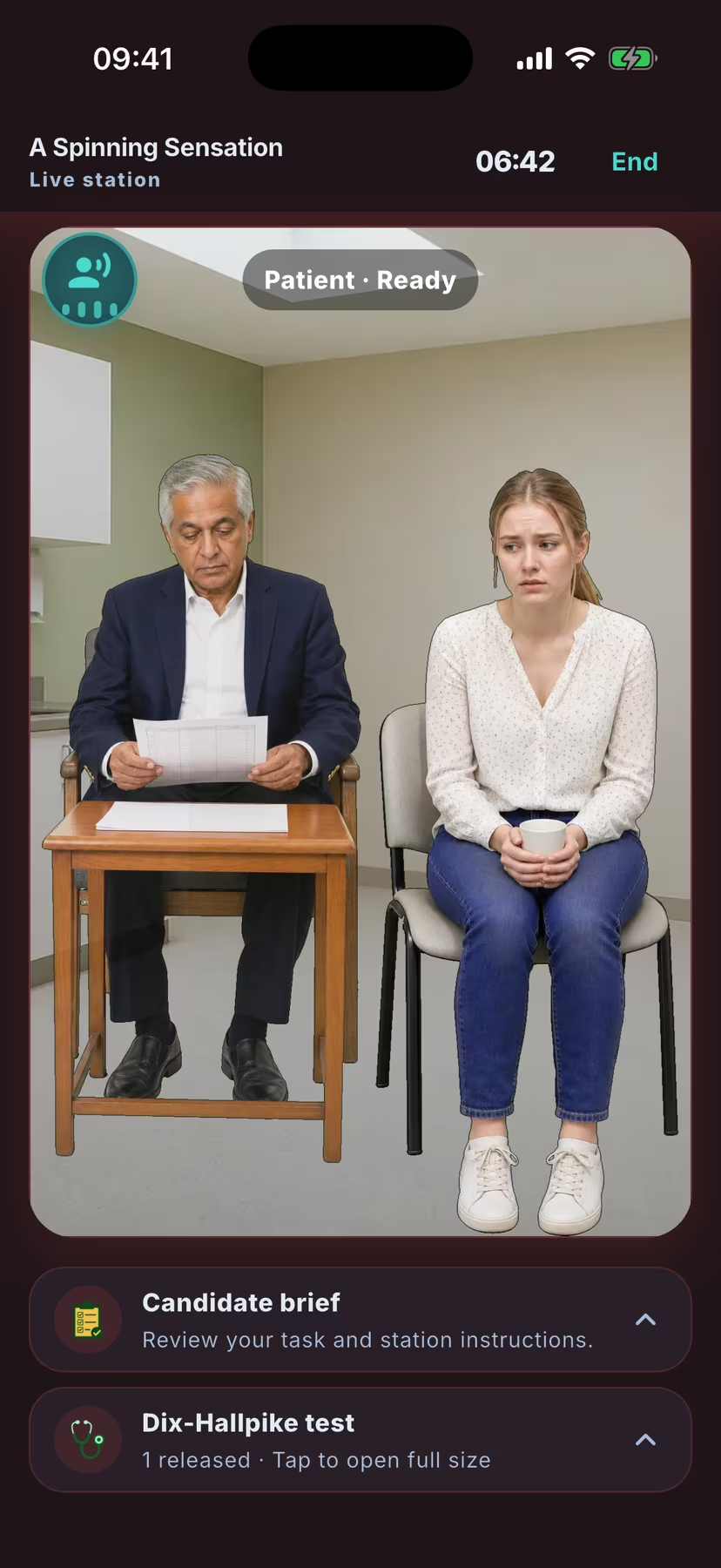
No multiple choice, no typing. You speak — the simulated patient listens, answers, worries and withholds. Ask for an examination out loud and the findings appear. It feels like a consultation because, functionally, it is one.
- Voice-first consultations with patients who have their own agenda
- Released findings: ECGs, observations and examination results on request
3 And again. And again.
One station is practice. Sixteen is rehearsal.
Exam day is stamina: station after station, with rest breaks exactly where your exam puts them. Mock circuits rebuild that full morning — same order, same clock, same rising fatigue — so the sixteenth station feels like the first.
- Full mock circuits with timed rest stations
- Timed rest stations in their real positions in the circuit
4 After the last bell
Then, the mirror.
Checklist coverage, a practice band, movement in every marking domain, and the transcript of what you actually said. Not a grade — a map of exactly what to fix before your next run.
- Domain-by-domain practice estimates, exam-aligned
- Issues, suggestions and your full transcript after every station

 PLAB 2
 UKMLA CPSA
 AMC Clinical
 NAC OSCE
 NZREX
NZREX PRES 3
 Medical school
 Personal